
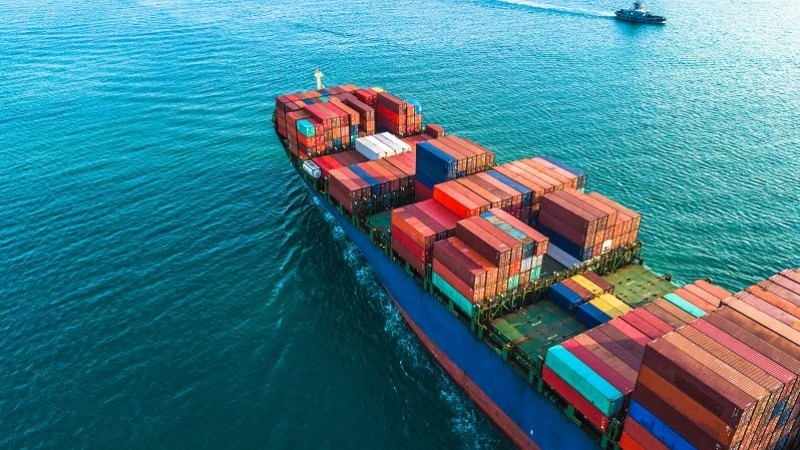
The initial market reaction to the US tariffs was negative. The KOSPI fell over 2%, three-year Korean treasury bond (KTB) futures rose to their highest since 22 March and the USDKRW opened at 1,472.
The KRW bears watching. The weak KRW apparently added to inflationary pressures, as suggested by yesterday’s consumer price index (CPI) reading. Further KRW depreciation is likely to add to inflationary pressures. At the same time, we expect weaker demand pressures amid sluggish domestic demand and slower exports in the coming months.
Moreover, the government has already promised to curb inflation by freezing utility tariffs and stabilising fresh food prices. These conflicting factors complicate the Bank of Korea’s (BoK) rate decision. We now expect inflation to accelerate until the end of the second quarter and then ease again in the second half. The BoK is expected to pause its rate-cut cycle at the April meeting. But markets are speculating whether it will cut in May or extend its pause until the third quarter.
We expect the KRW to weaken in 2Q25 when sentiment will be at its worst. This is when the outlook for trade negotiations – and whether tariffs come down – still won’t be known. Korean investors are likely to take a wait-and-see approach to overseas investment around the 1,500 level. Meanwhile, lower valuations for Korean-denominated assets may be more attractive to foreign investors once initial market jitters have passed.
Our base case scenario is still for a May cut. But it will depend on tomorrow’s impeachment decision by the Constitutional Court and the foreign-exchange market reaction to news on President Yoon’s fate. On the fiscal policy side, we expect further support from the government in the form of emergency measures to help industry. The government is already planning a ten-trillion-KRW supplementary budget, but it could be larger depending on the agreement between the major parties.
AloJapan.com